Map the load and the road
A useful hauling plan covers the narrowest gate, turning space, overhead clearance, ground conditions, container location, truck exchange, traffic or community restrictions, and the weight and shape of each load.
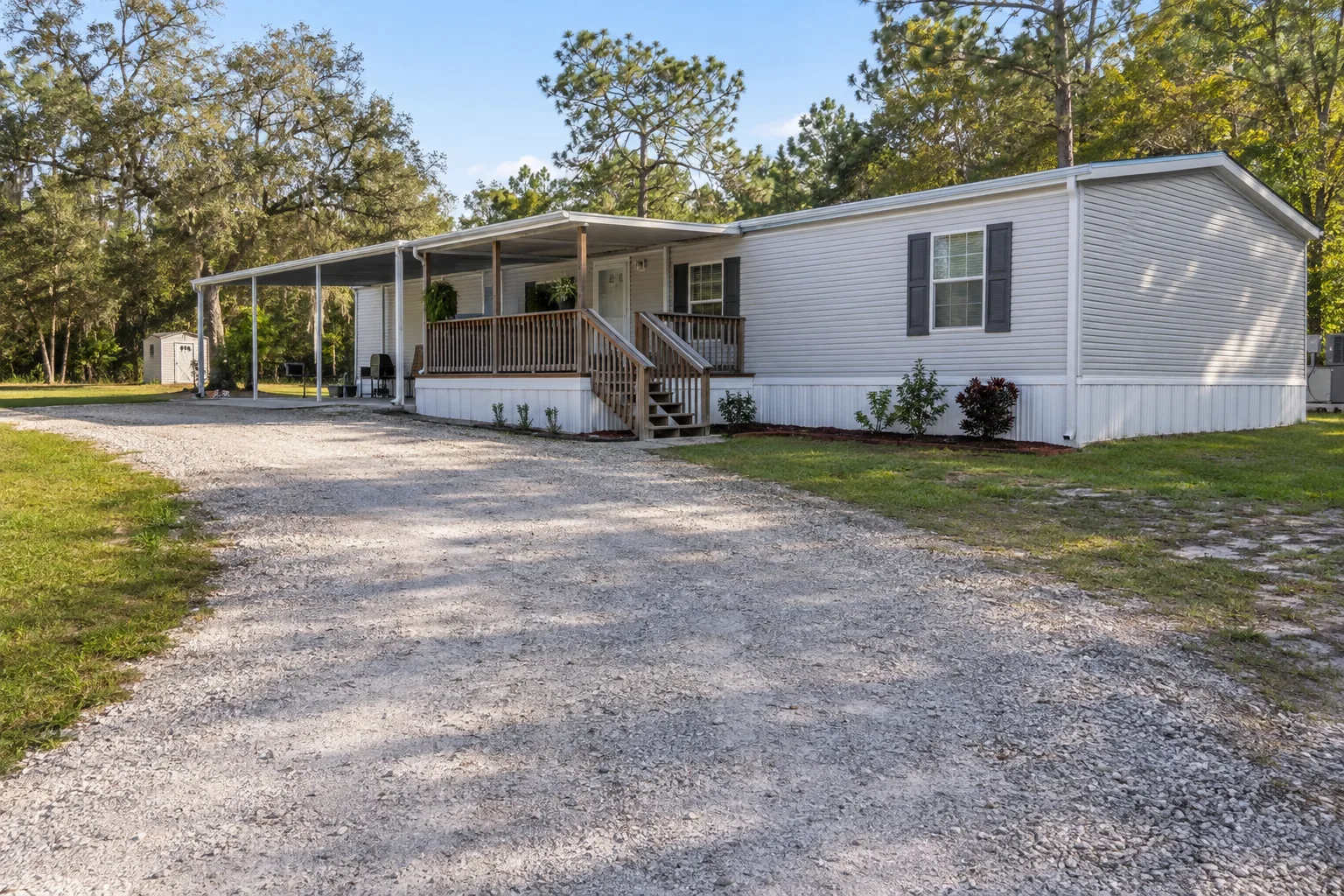

Make access visible before trucks arrive
Photograph the route from the public road to the work area. Measure gates and note low limbs, wires, soft shoulders, tight turns, parked vehicles, shared lanes, and limits on work hours or roadway use.
- Public-road approach and driveway width
- Gate, canopy, and overhead clearance
- Safe loading and container position
- Truck turning or backing plan
- Container exchange sequence
- Road, park, or association restrictions
- Document the propertyRecord the structure, additions, visible condition, utilities, access route, and requested finish.
- Confirm the work planMatch permits, utility steps, equipment, containers, transport, disposal, and cleanup to the site.
- Complete the approved scopeCarry out the agreed work and leave the pad, piers, anchors, debris, and ground in the written condition.
Keep debris hauling separate from whole-home transport
This service covers material and equipment haul-out tied to a removal project. Moving an intact mobile home requires a different evaluation of title, condition, permits, route, carrier, destination, and setup.
Questions about this scope
Can a truck use a narrow park street?
It depends on width, turning room, parking, overhead limits, community rules, and the selected equipment.
How many loads will be needed?
The structure, attachments, contents, material separation, weight limits, and concrete scope determine the load count.
Does hauling include disposal fees?
Only when the written estimate states the included loads, materials, destinations, and fees.