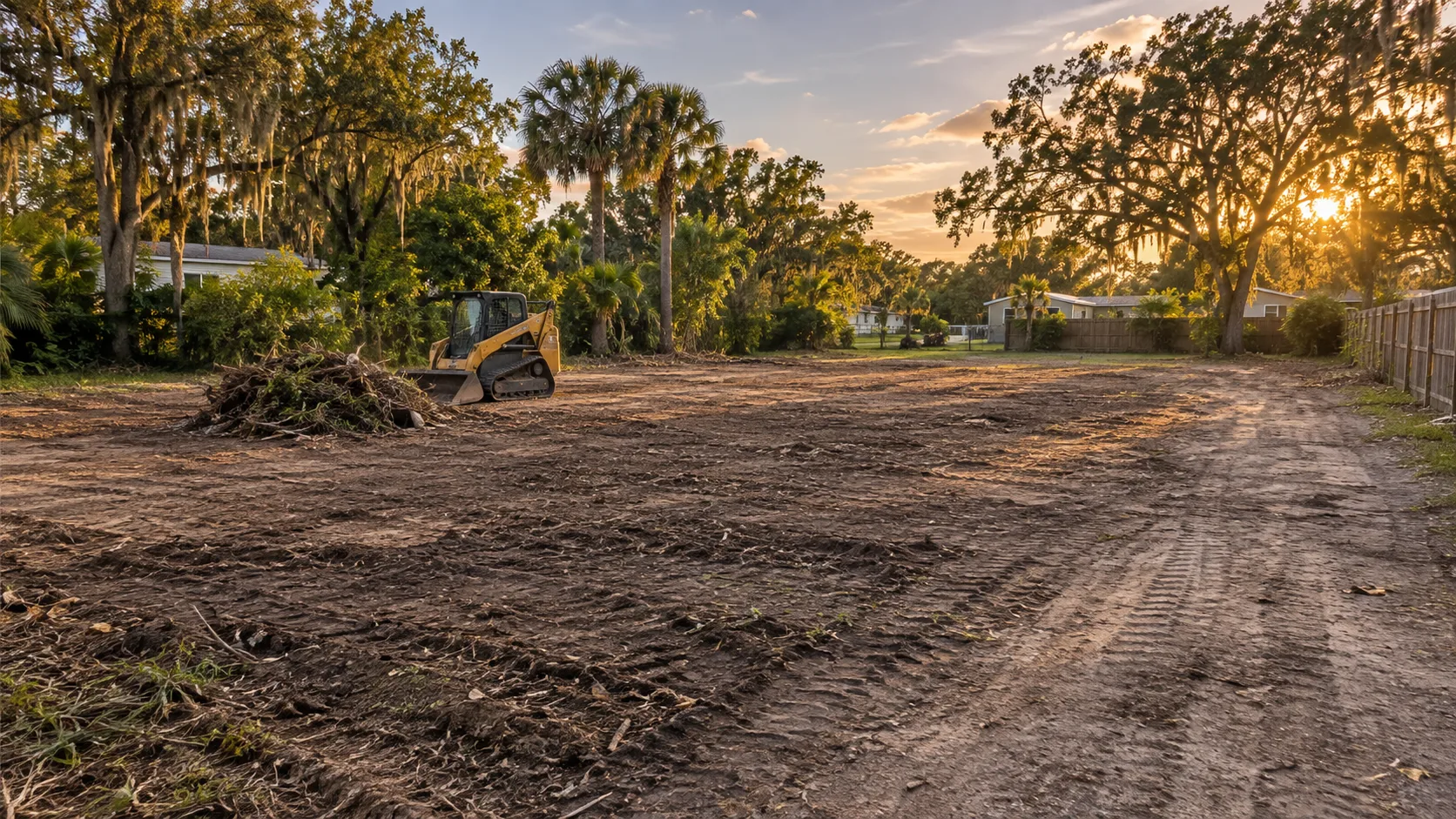
A clear route from old structure to open lot.
CleanHaul helps Tampa-area property owners plan a full mobile home teardown, debris haul-out, and site cleanup around the actual home, access, utilities, and finish the lot needs.

One project, seven useful scopes.
Removal, disposal, hauling, demolition, debris work, and final cleanup answer different questions. The service pages below separate those decisions while keeping them connected to one property plan.
Full teardown, hauling, and a written site-cleanup finish.
Mobile Home DisposalAccepted materials, exclusions, destinations, and disposal planning.
Mobile Home HaulingLoading access, truck route, containers, transport, and load planning.
Mobile Home DemolitionPermits, utilities, work boundaries, controlled teardown, and containment.
Trailer Home RemovalStructure identification, measurements, attachments, title, and access.
Mobile Home Debris RemovalMaterial inventory, containers, loading, transport, and cleanup.
Mobile Home Site CleanupPad, piers, anchors, backfill, and rough-finish choices in writing.
Start with the property, not a canned price.
Size matters, but it is only one part of the scope. A useful site review also checks attached structures, utility status, equipment access, material condition, disposal volume, permit jurisdiction, and the condition expected after haul-out.
Use the estimate checklist- Document the structureRecord width, length, additions, porches, awnings, skirting, and visible damage.
- Trace the work routeIdentify utility steps, gate widths, overhead limits, staging space, and truck access.
- Define what staysState whether the pad, piers, anchors, steps, vegetation, and utility stubs are part of the requested finish.
Coverage stays inside the confirmed Tampa-area footprint.
The researched location set is limited to nearby Hillsborough County communities listed by the operating source. Every location page covers mobile home removal only.
Useful reading before the site visit.
These guides help you measure, photograph, and frame the choices that affect access, demolition, debris, and the final condition of the lot.
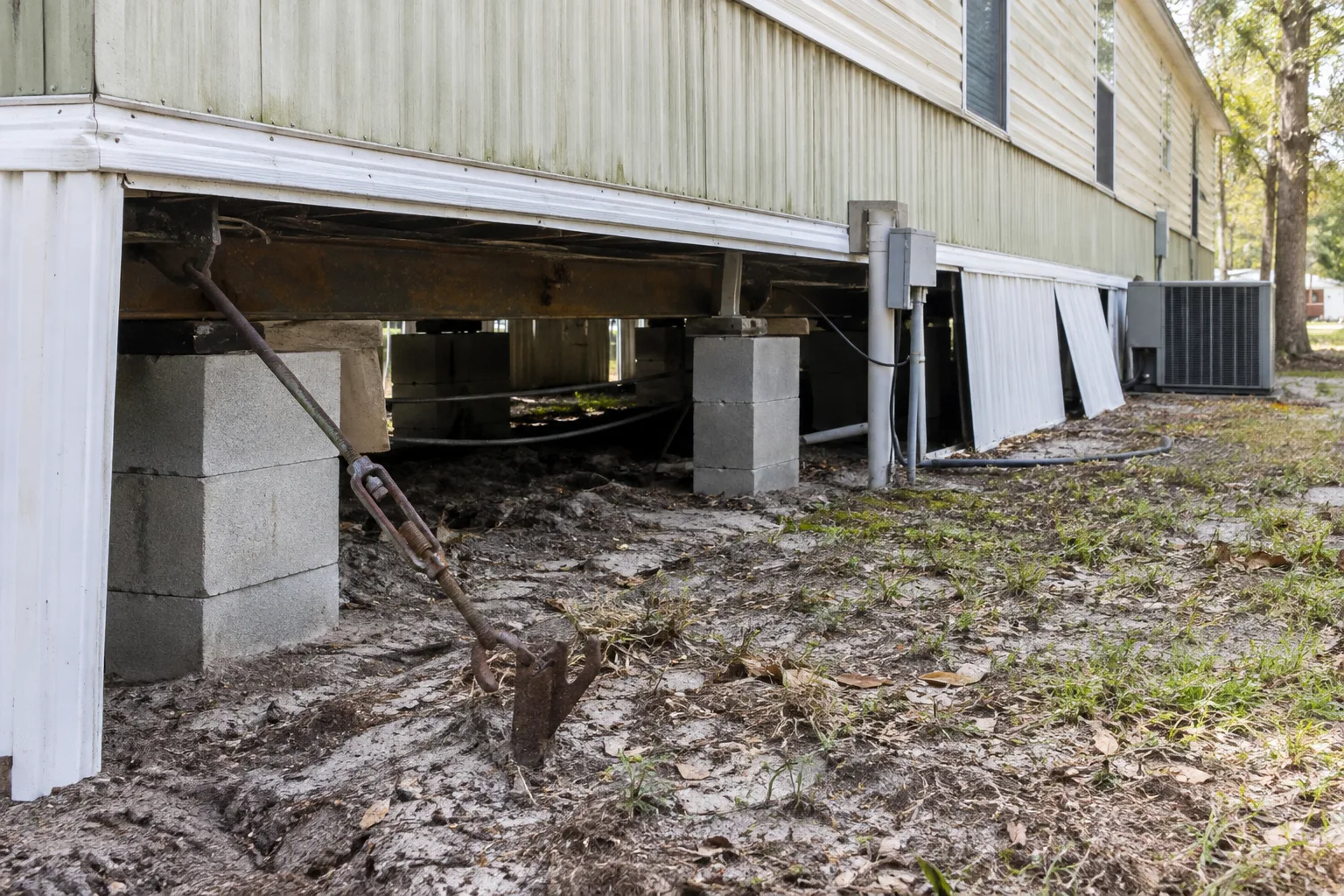
What to Measure Before a Single-Wide Removal
Measure the structure, then measure the route the work has to use. The best first record includes the home, every attachment, the narrowest access point, utility locations, and the area available for equipment and containers.
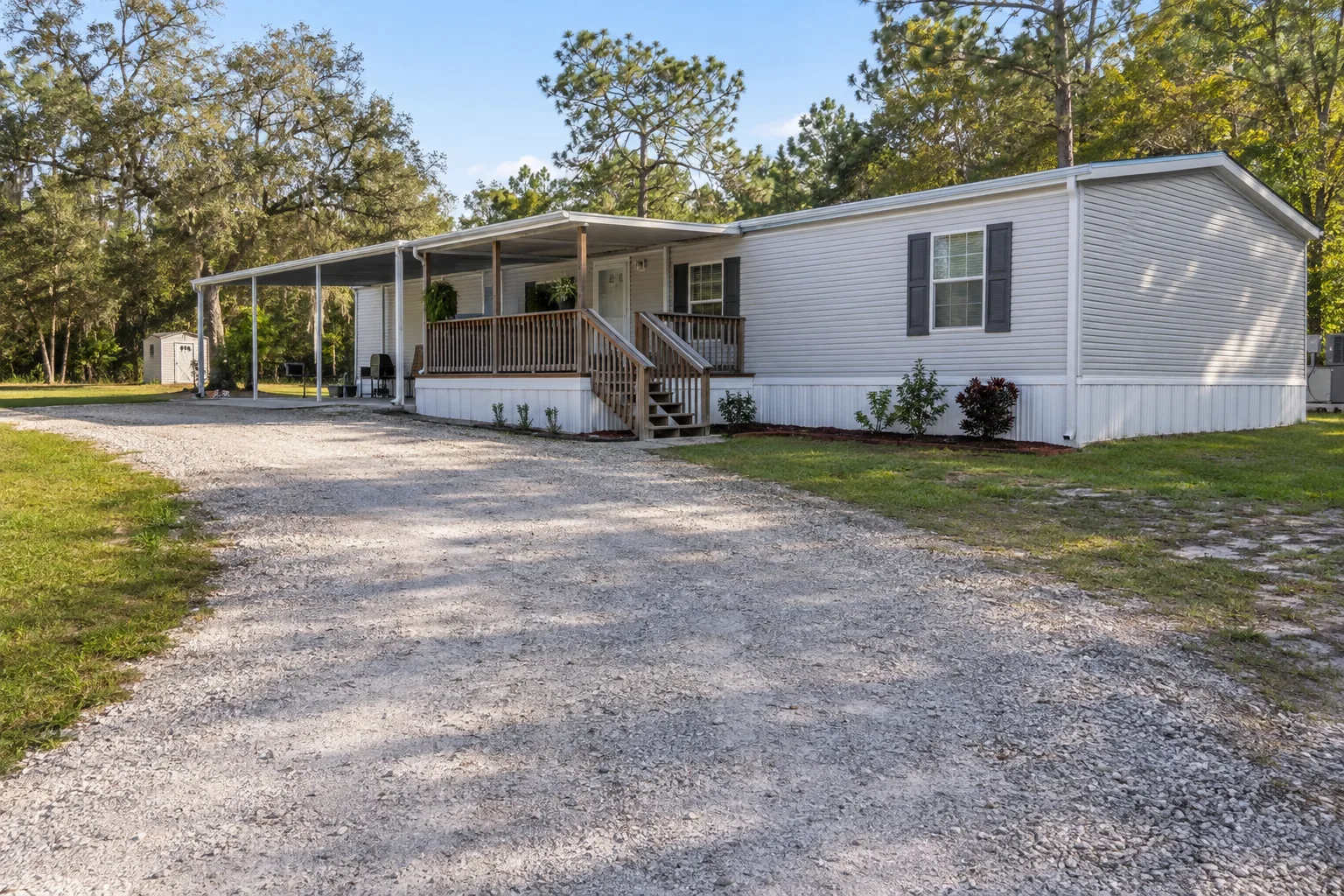
Planning a Double-Wide Removal With Tight Access
Tight access changes the sequence before it changes the equipment. Map where people, machines, containers, and loaded trucks can move, then decide whether the work zone can operate safely without blocking neighbors or required access.
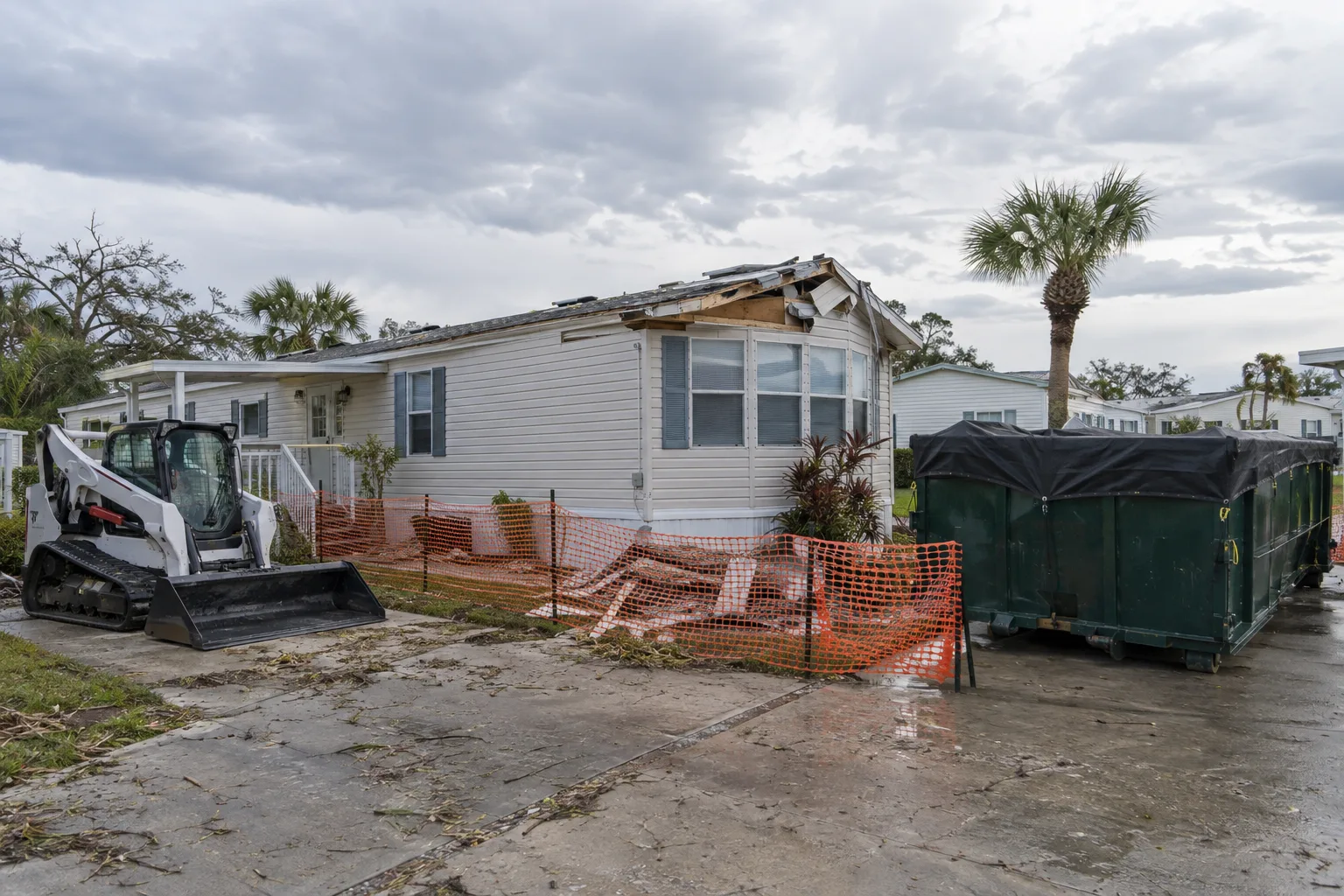
Before Removing a Storm-Damaged Mobile Home
Keep people away from unstable areas, treat damaged utilities as hazards, document conditions from a safe distance, and confirm insurance or agency requirements before debris moves. The removal estimate should reflect the post-storm site, not the home’s old condition.
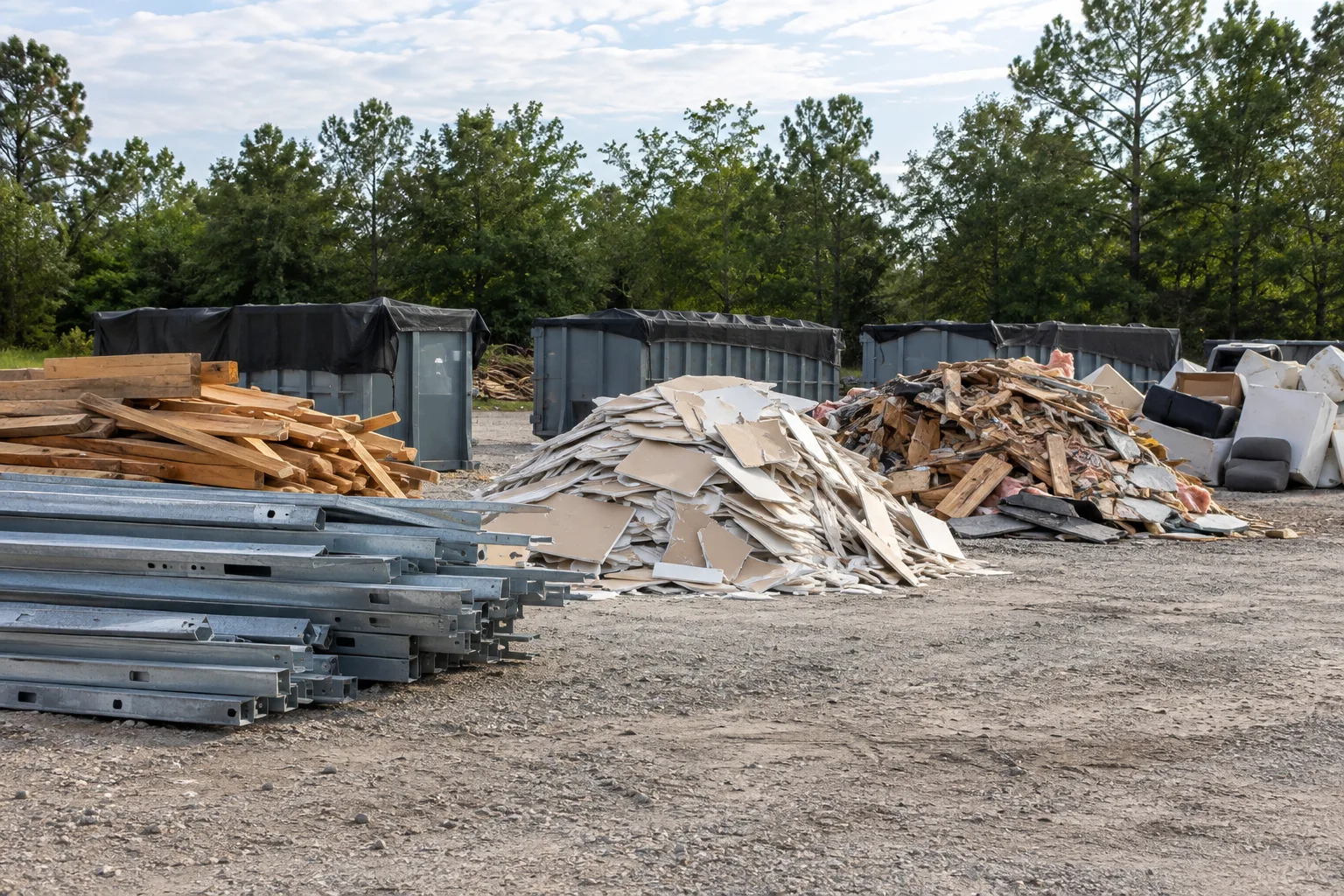
How Mobile Home Demolition Debris Is Sorted and Hauled
A mobile home becomes several material streams: metal frame and siding, wood, wall and roof materials, fixtures, contents, and sometimes concrete. Safe separation depends on condition, contamination, site room, and what local facilities currently accept.
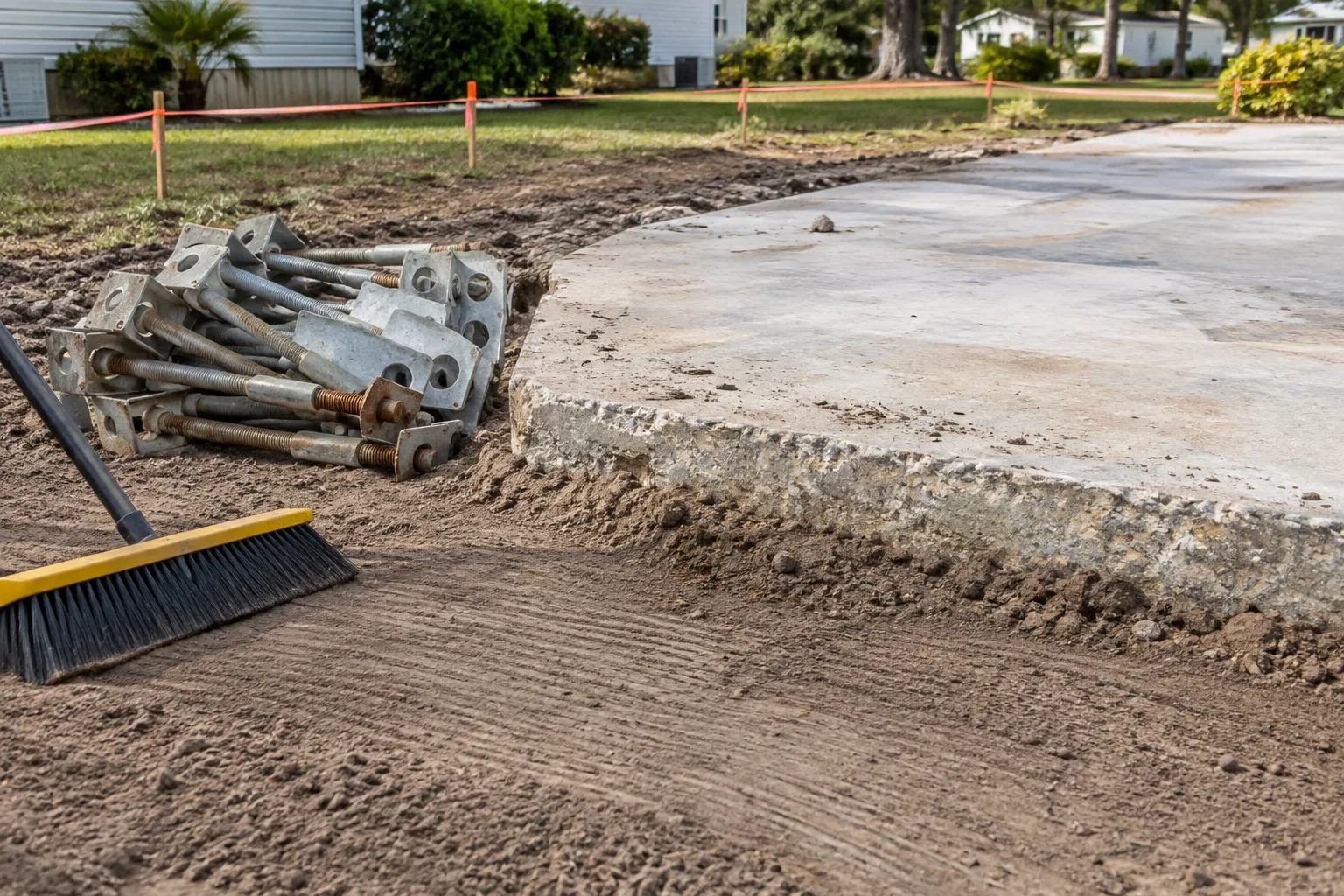
Should You Keep or Remove a Mobile Home Concrete Pad?
Keep the pad when it is permitted, useful, and in suitable condition for the next plan. Price removal when it blocks the next use, is damaged, creates a drainage or safety problem, or must leave under the approved redevelopment scope.
Bring better information to the first conversation.
Use the checklist to gather measurements, photos, access notes, utility status, and finish choices before an on-site estimate is arranged.